When you order an embroidery digitizing service, you'll often be asked which file format you need. The three most common are DST, PES, and JEF — and choosing the wrong one means your machine won't read the file. Here's a clear breakdown.
DST — Tajima Stitch Format
DST is the oldest and most universal embroidery format. Originally developed by Tajima, it's now accepted by virtually every commercial embroidery machine on the market, including Brother, Bernina, and Janome commercial units.
Use DST if: You're running a commercial operation, using an industrial machine, or are unsure which format your machine accepts. DST is the safe default.
Limitation: DST doesn't store color information. The thread color sequence must be specified separately in a color sheet.
PES — Brother Embroidery Format
PES is the native format for Brother and Babylock home embroidery machines. Unlike DST, PES files store color information and can include thumbnail previews of the design.
Use PES if: You own a Brother or Babylock machine (SE700, PE800, Innov-is series, etc.).
JEF — Janome Embroidery Format
JEF is the native format for Janome machines. It supports color information and is required for Janome Memory Craft and Horizon series machines.
Use JEF if: You own a Janome machine, particularly the Memory Craft 9900, 15000, or Horizon series.
Other Formats
Beyond the big three, you may encounter:
- EXPMelco / Elna machines
- XXXSinger machines
- VP3Husqvarna Viking / Pfaff machines
- HUSOlder Husqvarna Viking machines
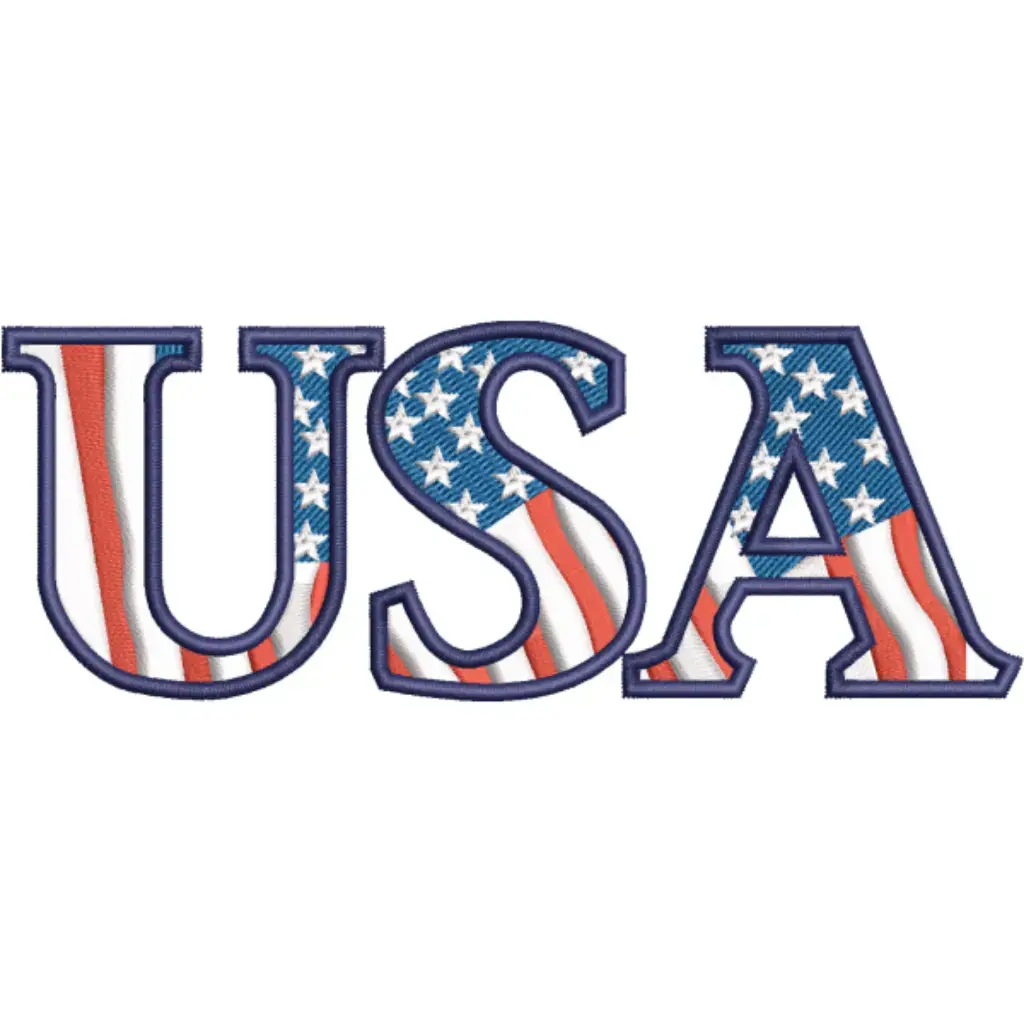
Example design in .PES
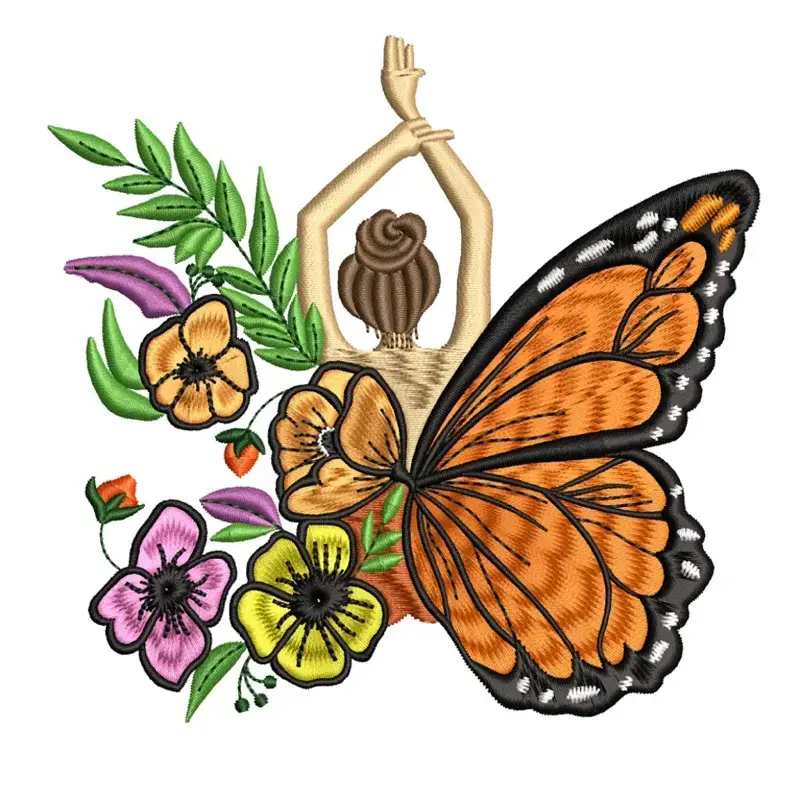
Same design in .DST
At Stitchique, we deliver any format you need. Just specify your machine when placing your order and we'll send the correct file.